
Rio’s Carnival has never been just about feathers, rhinestones, towering headpieces, and gorgeous costumies. Behind all that sparkle is a culture built by communities, musicians, dancers, designers, families, and generations of people who have kept samba moving. For Carnival 2027, Sambista Fashionista is putting the spotlight on Brazilian women whose stories reach much deeper than what we see during a few dazzling minutes on the Avenida (Avenue).
Most of the women on this list are Rainha de Bateria or queens of their samba schools’ drum sections. We looked especially for women with meaningful connections to their schools, communities, and the world of samba itself. Then there’s our wild card, Mari Mola. She isn’t a Rainha de Bateria for 2027, but when the samba no pe’(samba on the foot) is that good, Sambista rules can be bent just a little. 😂🔥
One Brazilian phrase will remain untranslated throughout this article: samba no pe’. Some things just sound better exactly as they are.
Evelyn Bastos — Mangueira Raised Its Own Queen
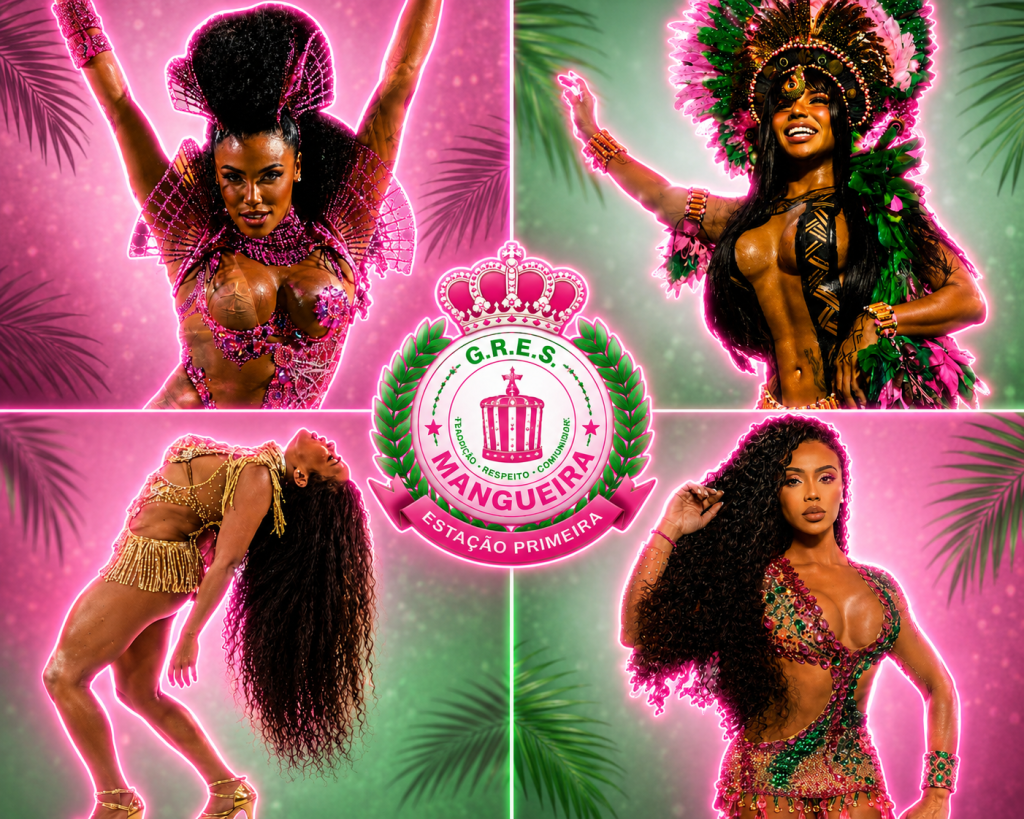
If there is a woman who represents the connection between a Rainha de Bateria and her community, Evelyn Bastos belongs near the top of the conversation. Evelyn was born and raised in Mangueira and began parading at only four years old with Mangueira do Amanhã, the children’s samba school. She later became a passista, or samba dancer, and eventually a musa, a featured performer, before becoming Mangueira’s Rainha de Bateria. Her connection to the school is also generational: her mother, Valéria Bastos, previously held the position in front of Mangueira’s bateria.
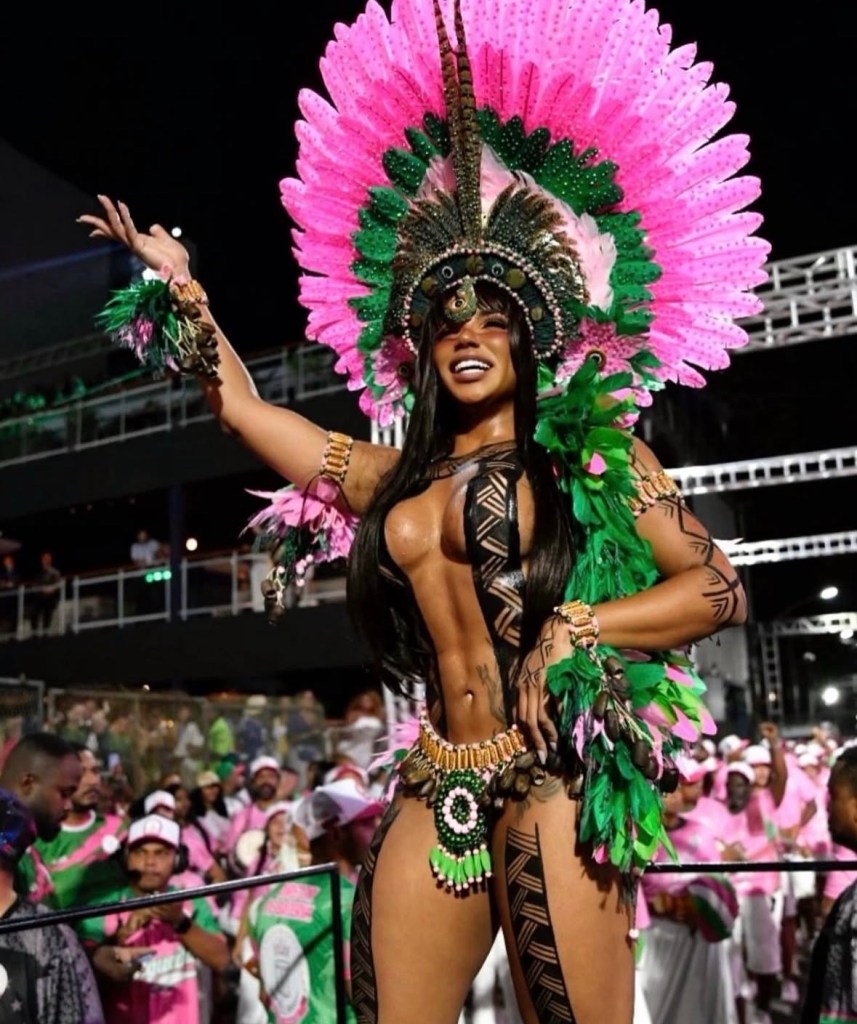
Evelyn became Rainha de Bateria in 2014 and has built a reign that is about much more than looking spectacular on parade night. A historian by training, she has also taken leadership roles connected to samba and Carnival culture. Her longevity makes her especially important to this list because she represents an Afro-Brazilian woman from the community occupying one of the most visible positions in Brazilian Carnival year after year.
For Carnival 2027, Evelyn continues representing Mangueira in front of the bateria. Her story is exactly what we wanted this article to celebrate: a Sambista who didn’t have to be introduced to the culture because the culture helped raise her.
Carnival 2027 Mood: You can’t introduce me to Mangueira. Mangueira already knows my name.
Lorena Raíssa — The Crown Stayed in Nilópolis

Lorena Raíssa has the kind of family story that makes you understand why samba can be so much more than a performance. Born and raised in Nilópolis, Lorena comes from a family deeply connected to the samba school, Beija-Flor de Nilópolis. Her mother was a passista, her grandfather was a composer for the school, and other members of her family have participated in Beija-Flor. Her mother even went into labor with Lorena while returning from a Beija-Flor technical rehearsal.
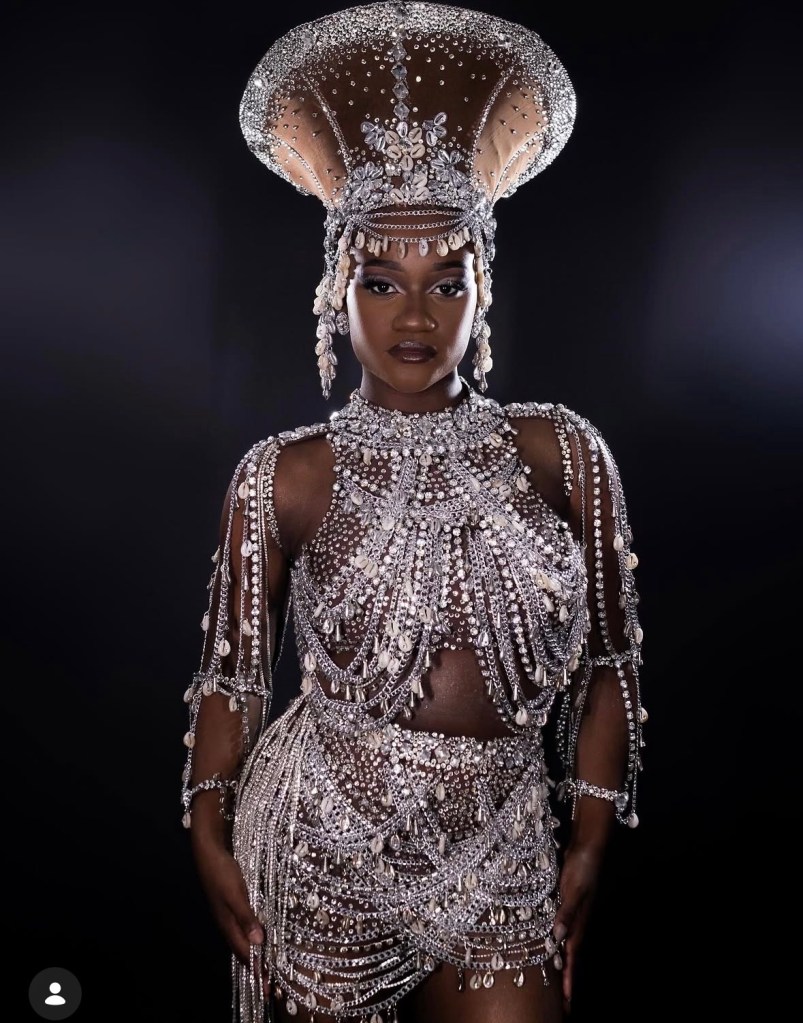
Her rise to Rainha de Bateria was just as interesting. Lorena wasn’t brought into Beija-Flor as an already-famous celebrity. The school held a community competition to choose its Rainha de Bateria, and at only 15 years old, Lorena won. She succeeded Raíssa de Oliveira, who had held the position for two decades. Lorena has since spoken publicly about why she believes a Rainha de Bateria should come from the community, emphasizing that the role means attending rehearsals and participating in the life of the school throughout the year.
That’s what makes Lorena such an important Sambista for 2027. There is beauty and glamour, of course, but there is also history, family, presence, and responsibility. For her, Beija-Flor isn’t somewhere she visits when it’s time to put on feathers. It’s part of her life.
Carnival 2027 Mood: The crown didn’t come to Nilópolis looking for a celebrity. Nilópolis already had a queen.
Mayara Lima — When the Bateria Talks, Her Feet Answer

Mayara Lima is the woman who makes us say: watch the feet! Born in Cidade de Deus, Mayara’s story differs slightly from some of the other women on this list because she wasn’t born in the Tuiuti community. Her connection to Paraíso do Tuiuti, however, began when she was young. At 14, she became a passista with the school and worked her way through different positions, including destaque, or featured performer, musa (muse), princesa, or princess, and eventually Rainha de Bateria.
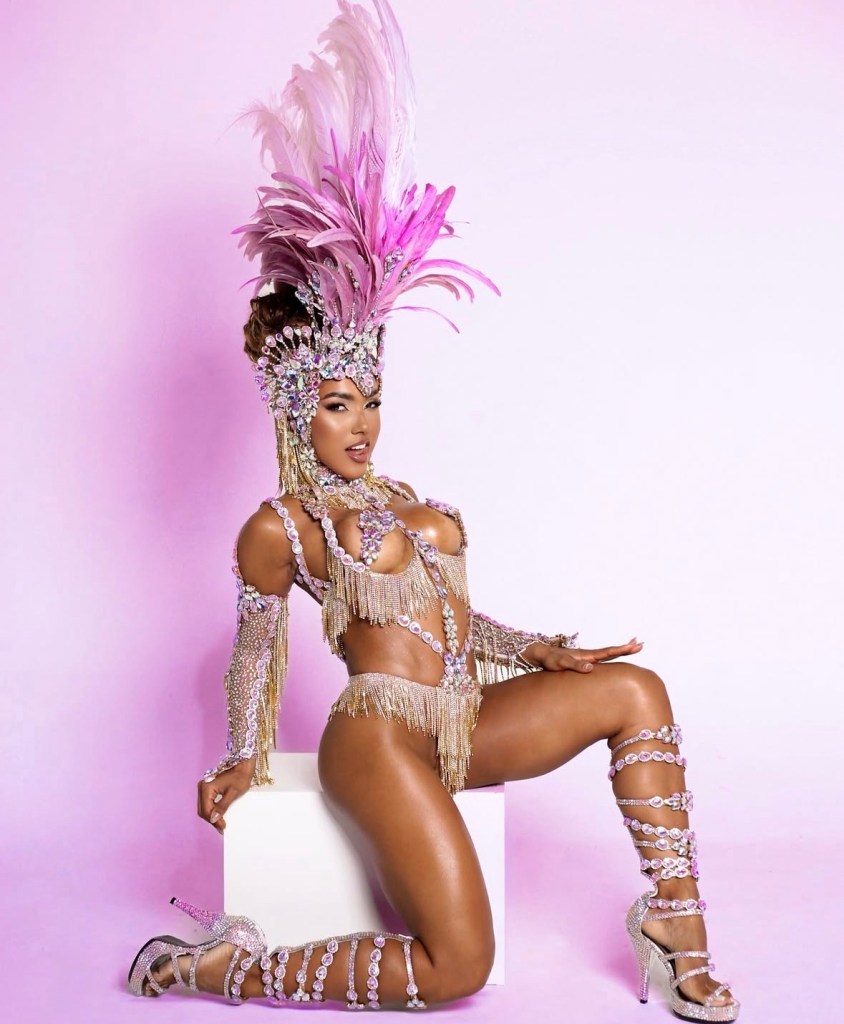
Mayara’s samba no pe’ has helped make her internationally recognizable among people who follow Brazilian samba. Videos of her dancing in remarkable synchronization with the bateria and responding to its paradinhas, or rhythmic breaks, have circulated widely online. She has also taught samba no pe’, taking the technique beyond Rio and introducing more people to the movement and musicality behind Brazilian samba.
That’s why Mayara belongs here. Her appeal isn’t simply about what she’s wearing while she dances. When the bateria changes, her body responds to the music. That relationship between rhythm and movement is what makes watching an accomplished sambista so exciting, and Paraíso do Tuiuti has kept her as its Rainha de Bateria heading toward Carnival 2027.
2027 Queenista mood: Don’t just watch the feathers. Watch those FEET.
Bellinha Belfim — From Passista to Viradouro’s Throne

Bellinha Belfim may have one of the most exciting stories heading into Carnival 2027 because we’re watching a woman move from the ranks of the school directly into one of its biggest positions. She began her journey with Unidos do Viradouro as a passista around 2019, became a musa in 2022, and has now been chosen as Viradouro’s Rainha de Bateria for 2027. Her coronation was celebrated as a victory for someone who came from the school’s own samba environment.
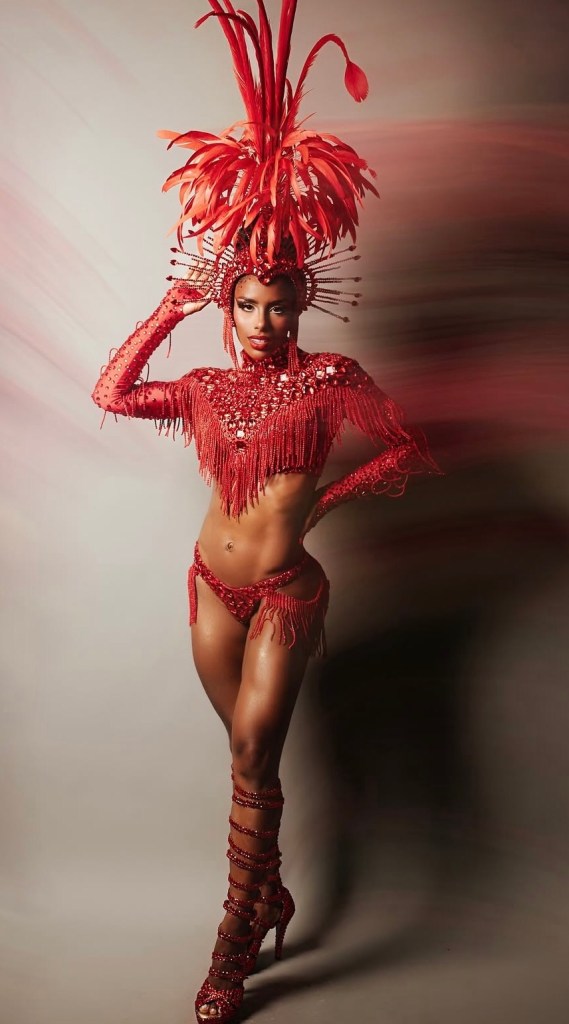
Brazilian coverage surrounding her selection used the expression chão da escola, literally the “floor of the school.” In this context, it speaks to someone whose experience was developed inside the samba school rather than someone brought in because of outside celebrity. That distinction is a big reason Bellinha fits the spirit of this list.
Sambista Fashionista has another reason to appreciate this Queenista: Bellinha is also a costume designer. She understands the glamour from both sides—the performer dancing in the costumie and the creative person who knows that beautiful performance wear still has to move when the samba no pe’ starts.
2027 Queenista mood: I didn’t skip the line. I danced through it.
Our Wild Card: Mari Mola — No Bateria Crown Required
Before anybody comes running into the comments, we already know: Mari Mola is not a Rainha de Bateria for Carnaval 2027. She is a musa of União de Maricá, and that’s exactly why she’s our wild card. This list celebrates outstanding Afro-Brazilian women in samba, and Mari’s samba no pe’ credentials make her too good to leave out simply because her 2027 title is different.
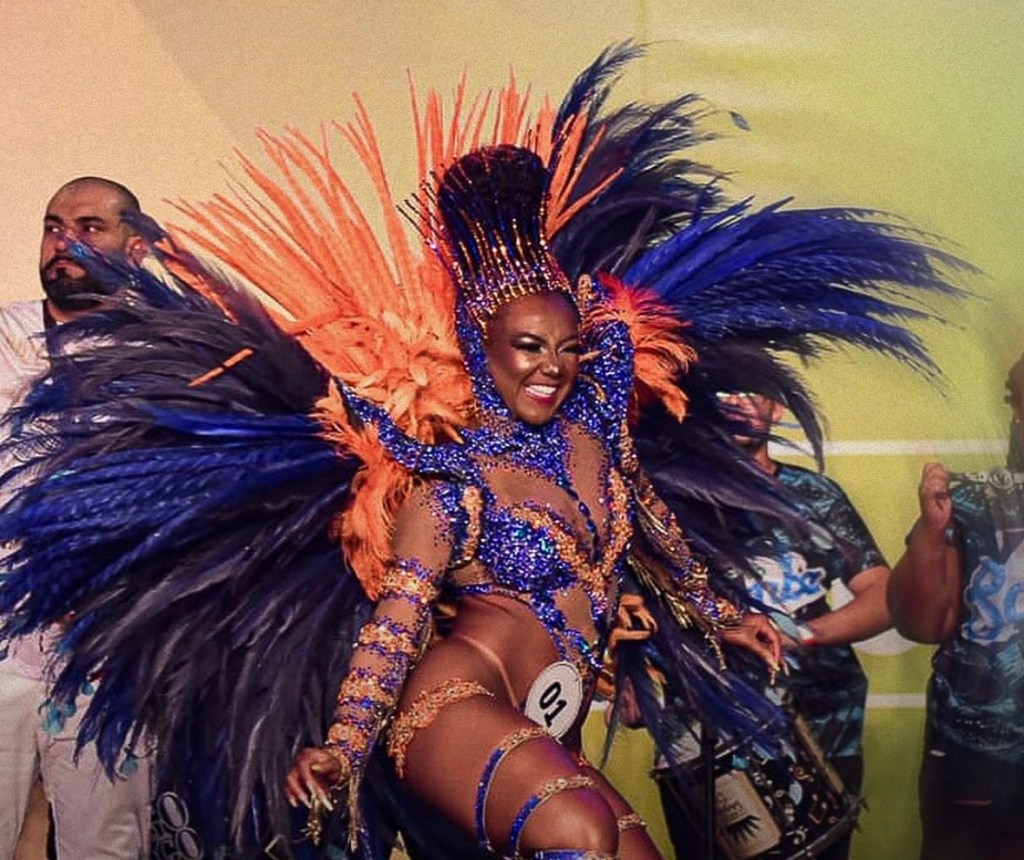
Mari was born and raised in the Tuiuti community in Rio’s Zona Norte, or North Zone, and began participating in samba when she was a child. She became a passista at 13 and later a musa. She has also held a genuine Carnival crown: Mari was elected Rainha do Carnaval Carioca, or Rio Carnival Queen, in 2023. Her career has since included teaching samba no pe’ and sharing the dance internationally.
So no, we’re not changing her résumé to squeeze her onto a list of Rainha de Bateria. We’re making an exception because the title of this article says “Plus a Wild Card!”, and Mari is exactly that. She represents something worth remembering when watching Carnival: some of the most impressive samba no pe’ on the Avenida can come from passistas and musas who aren’t standing in front of the bateria.
2027 Queenista mood: Keep the title. I’m still going to make you watch.

That’s the Carnival 2027 energy Sambista Fashionista wants to see: the feathers and the footwork, the rhinestones and the rhythm, the glamour and the history. Brazilian samba is more than a beautiful Carnival aesthetic. It is Afro-Brazilian culture, community, music, movement, family, creativity, and generations of people carrying traditions forward.
A spectacular costumie can grab our attention, but it can’t tell the entire story. Evelyn brings generations of Mangueira history. Lorena represents a crown rooted in Nilópolis and the Beija-Flor community. Mayara shows what can happen when a young passista develops within a samba school. Bellinha’s move from Viradouro passista to Rainha de Bateria gives us one of 2027’s most exciting new chapters, while Mari reminds us that elite samba no pe’ doesn’t require a bateria crown at all.
When one of these women steps onto the Avenida in 2027, don’t only look at the headpiece or count the rhinestones. Watch what happens when the bateria starts. That’s when you’ll see why these Sambistas made our list. 👑🔥


 Sambista Fashionista
Leave a comment